

The short answer
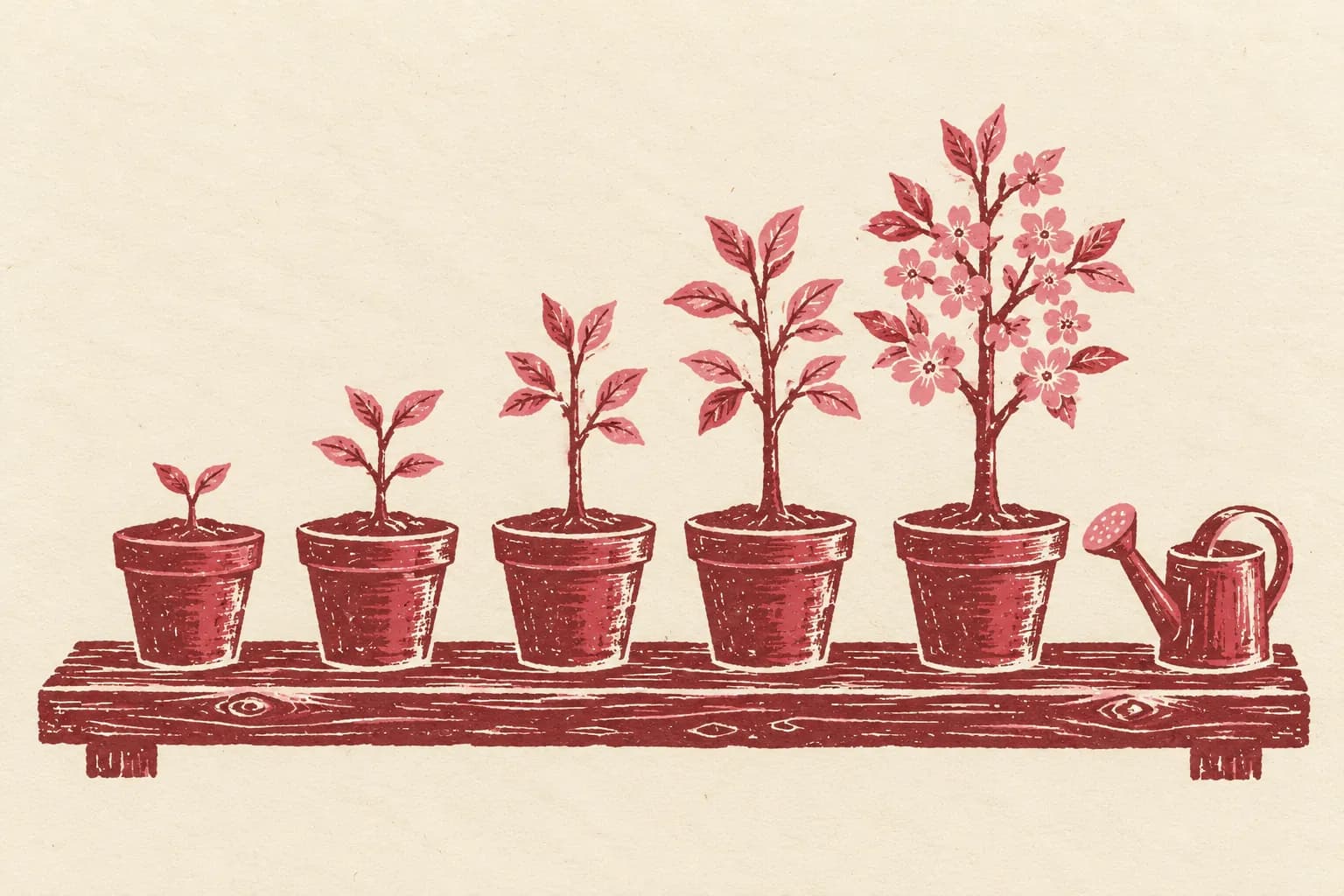
About two months for most people. In a well-known study from University College London, new daily habits took a median of 66 days to feel automatic, anywhere from 18 to 254 days, and missing a single day didn’t set people back. Pick a fixed daily moment and a small goal, and expect Bible reading to feel natural sometime in the second month.
What does the research say about forming habits?
In a study published in 2010 in the European Journal of Social Psychology, Phillippa Lally and colleagues at University College London asked 96 volunteers to choose one new daily behavior, such as eating a piece of fruit with lunch or going for a run before dinner. Each person did it in the same situation every day for 12 weeks and rated how automatic it felt.
The median time for the behavior to reach its most automatic level was 66 days. Some people got there in 18 days; for others, the researchers projected it would take as long as 254. Simpler behaviors tended to become automatic sooner than demanding ones, like exercise. And missing one day did not meaningfully set anyone back.
Is it really 21 days to form a habit?
The 21-day figure is older and much less precise. It is usually traced to Psycho-Cybernetics, a 1960 self-help book by the plastic surgeon Maxwell Maltz, who wrote that people needed at least 21 days to adjust to a change. It was never a measured finding about habits.
Expect closer to two months, and don’t be discouraged if day 22 still takes effort. That is normal.
What this means for Bible reading
- Same moment, every day. The habits in the study were tied to a fixed situation, like lunch. “After I pour my coffee” works better than “sometime today”.
- Keep it small. A short reading becomes automatic faster than an hour of study. Five or ten minutes is plenty to start.
- Plan for weeks, not days. Two months is a realistic horizon. Judge the habit at day 66, not day 6.
- Missing a day is not failing. One gap didn’t matter in the study. What matters is starting again the next day.
A 66-day Bible reading plan in three stages
Each stage builds on the last. Keep the same daily moment the whole way through.
- Days 1–21: make it tiny. Five minutes at your chosen moment. Read one psalm a day, Psalms 1 to 21.
- Days 22–45: make it steady. Ten minutes. Read the Gospel of Mark, then Philippians and Colossians, a chapter a day.
- Days 46–66: make it yours. Ten to fifteen minutes. Read Genesis 1 to 21, or choose your own book, and write down one line from each reading.
By day 66 you will probably still choose to read each day, but starting will take less effort. That is what automatic means here: the moment arrives, and you open your Bible without debating it.
Does missing a day ruin a habit?
No. In the study, one missed day didn’t undo the progress people had made. A missed week is harder to recover from, because by then the moment you read in has been filled with something else.
So treat a miss as a pause, not a reset. In Versomi, the streak counts the days you reach your goal. It may start over after a missed day, but the habit you’ve built doesn’t. Read today, and the count starts climbing again.
How do you know the habit has formed?
A few signs that reading has become part of your day:
- You reach for your Bible at the usual moment without deciding to.
- Skipping a day feels like something is missing.
- The habit survives a busy week or a trip.
- You sometimes read past your goal because you want to.
If you’re not there yet, look at the cue first. A moment that doesn’t happen every day can’t carry a daily habit. Our guide to building a daily Bible reading habit covers cues in more detail.
Common questions
Is it 21 days or 66 days to form a habit?
The 21-day figure comes from a 1960 self-help book, not a study. In research from University College London, new habits took a median of 66 days to feel automatic, with a wide range of 18 to 254 days.
How long does it take to make reading the Bible a habit?
Plan on about two months of reading at the same moment each day. Short, simple readings become automatic faster than long ones, so start with five or ten minutes.
What should you read while building the habit?
Short, clear books work best: Psalms, the Gospel of Mark, Philippians and James. Our guide to where to start reading the Bible has a first-month plan.